In the digital age, classrooms are evolving from traditional spaces of learning into dynamic environments that harness the power of technology. Smart classrooms represent a paradigm shift in education, where innovative tools and digital resources are integrated seamlessly into daily instruction. This blog delves into the concept of smart classrooms, their benefits, and their impact on both educators and students.

What Defines a Smart Classroom?
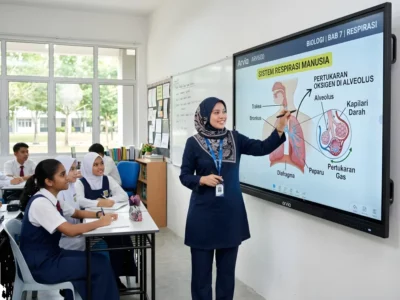
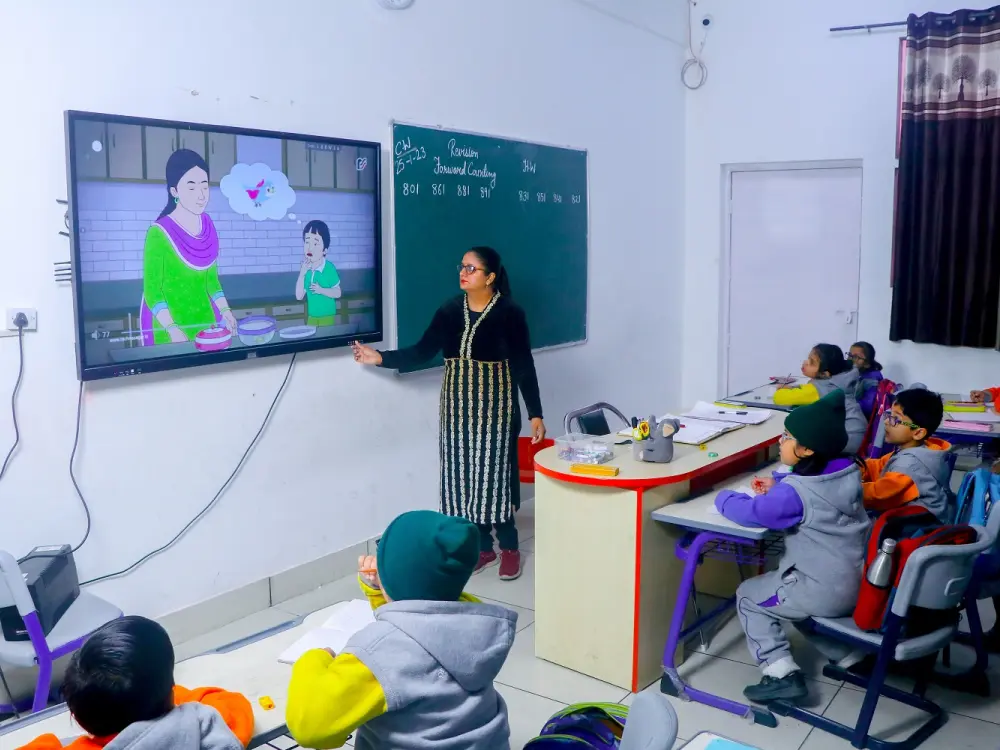
A smart classroom leverages technology to enhance teaching and learning experiences. It typically features interactive displays, digital whiteboards, tablets or laptops for students, and connectivity to educational apps and online resources. These tools enable educators to deliver engaging lessons, personalize learning experiences, and facilitate collaboration among students.

Enhancing Learning Experiences
One of the primary advantages of smart classrooms is their ability to enhance learning experiences through interactive and multimedia-rich content. Educators can use interactive displays and digital tools to present complex concepts in visually engaging ways, making learning more accessible and comprehensible for students. Real-time access to online resources also allows teachers to supplement lessons with current information and multimedia materials, enriching the educational experience.
Fostering Collaboration and Engagement
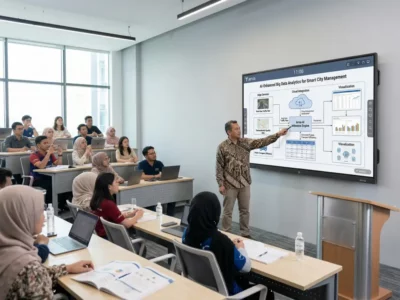
Smart classrooms promote collaboration among students by facilitating group projects, virtual discussions, and interactive activities. Digital whiteboards and collaborative platforms enable real-time sharing of ideas and feedback, encouraging active participation and teamwork. This collaborative approach not only improves students’ social and communication skills but also prepares them for collaborative work environments in the future.
Personalized Learning Pathways
Another significant benefit of smart classrooms is their capacity to support personalized learning pathways. Adaptive learning software and analytics provide insights into individual student progress and learning preferences. Educators can tailor instruction to meet the unique needs of each student, offering personalized challenges, resources, and support to optimize learning outcomes.
Empowering Educators
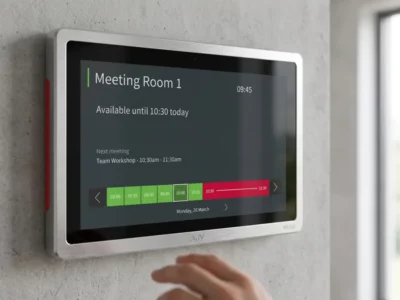
Smart classrooms empower educators by streamlining administrative tasks, such as attendance tracking and grading, through integrated software solutions. This efficiency allows teachers to focus more on instructional delivery and student engagement. Professional development opportunities associated with smart classroom technologies also enable educators to enhance their digital literacy and instructional strategies, ensuring they remain effective in a rapidly evolving educational landscape.
Bridging the Digital Divide
By integrating technology into education, smart classrooms help bridge the digital divide among students from different socioeconomic backgrounds. Access to digital tools and online resources ensures that all students have equitable opportunities to learn and succeed. Additionally, exposure to technology-rich learning environments prepares students for future careers that increasingly rely on digital skills and technological proficiency.
Conclusion
As technology continues to reshape every aspect of society, smart classrooms represent a transformative advancement in education. By harnessing the power of technology to enhance learning experiences, foster collaboration, and support personalized learning pathways, smart classrooms are preparing students to thrive in a digitally connected world. As educators and policymakers continue to embrace these innovations, the potential for smart classrooms to revolutionize education and empower the next generation of learners is immense.