In today’s competitive retail landscape, creating a captivating in-store experience is crucial for attracting customers and increasing sales. One of the most effective tools to achieve this is digital signage. With its dynamic displays and engaging content, digital signage has transformed how retail stores communicate with customers. Whether it’s sharing promotions, highlighting products, or enhancing the overall atmosphere, digital signage can do it all. In this blog, we’ll explore 7 creative ways digital signage can be used in retail stores to enhance the shopping experience and boost sales.

1. Eye-Catching Window Displays
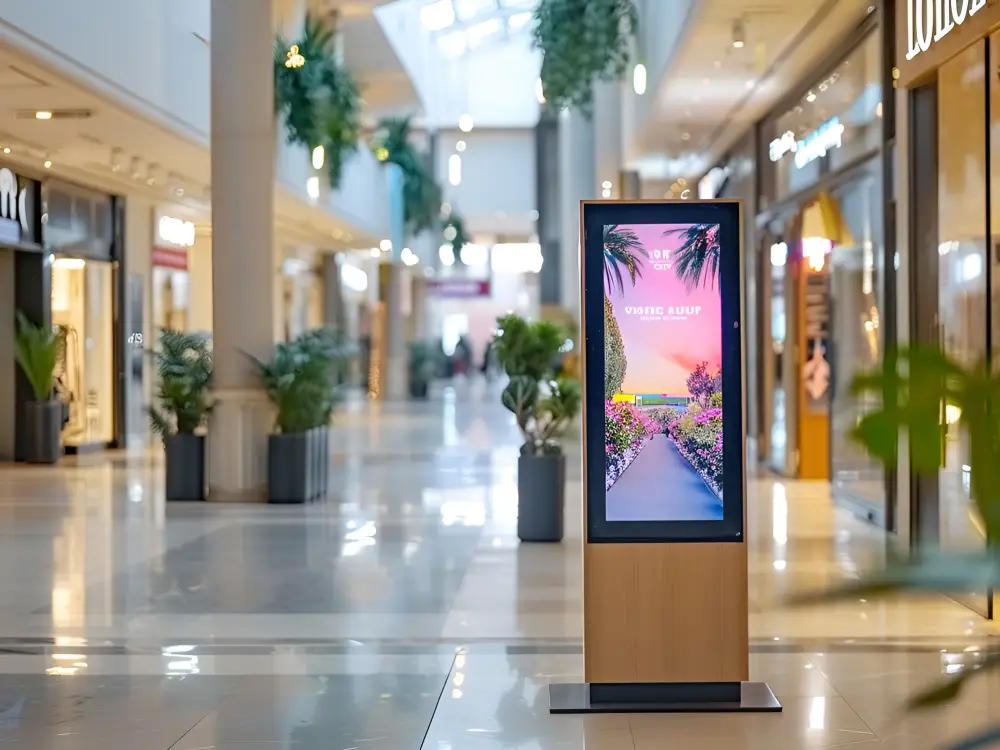
Retailers often struggle to capture the attention of passersby, but digital signage offers an innovative solution. By placing digital screens in store windows, businesses can showcase promotional videos, new arrivals, and eye-catching visuals that draw people inside. Unlike traditional posters, digital displays can be updated easily to reflect seasonal trends, upcoming sales, or limited-time offers. This approach not only grabs attention but also creates a sense of urgency, encouraging customers to enter the store and explore.
2. Promotional Content and Flash Sales
Digital signage allows stores to display promotional content and flash sales in real time. Retailers can use digital screens to announce discounts, special deals, and limited-time offers. This approach not only drives sales but also keeps customers informed about ongoing promotions. For example, a clothing store can promote a “Buy One, Get One Free” offer using vibrant visuals that catch shoppers’ eyes. Flash sales displayed on digital signage can create a sense of excitement, prompting immediate purchases.
3. Interactive Product Displays
These screens are not limited to static content; they can also be interactive. Retailers can install touch-screen displays that allow customers to explore product information, check availability, or even place orders. This interactive element enhances the shopping experience while providing valuable data about customer preferences. For example, a beauty store can use a touch-screen to let customers browse different makeup shades or watch tutorials on how to use products.
4. Wayfinding and Store Navigation
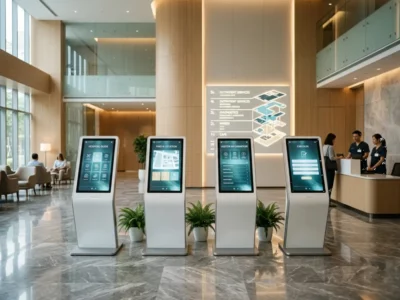
Large retail spaces, like malls or department stores, can be overwhelming for customers. Digital displays can serve as wayfinding tools, helping shoppers navigate easily. By providing digital maps, aisle directories, or product locators, stores can enhance convenience and reduce frustration. This use of screens is especially helpful during peak shopping periods, ensuring that customers can find what they’re looking for quickly and efficiently.
5. Social Media Integration
Integrating social media feeds into digital screens is a creative way to engage customers and encourage user-generated content. Retailers can display live updates, customer reviews, and tagged photos on in-store screens. For instance, a fashion retailer can showcase customer photos from Instagram tagged with the store’s branded hashtag. This not only creates a sense of community but also inspires other customers to share their shopping experiences, boosting brand visibility.
6. Entertainment and Ambient Atmosphere
Digital signage can be used to enhance the overall atmosphere of a store, making it more enjoyable for customers. Retailers can play music videos, branded content, or even customer testimonials to keep shoppers entertained as they browse. For stores with waiting areas, such as electronics or mobile phone retailers, digital signage can display engaging content like product demos or tech news, making the wait more enjoyable for customers.
7. Product Demonstrations and Tutorials
One of the most effective uses of digital signage is to showcase product demonstrations and tutorials. By displaying how products work or how they can be used, retailers can influence purchasing decisions. For example, a kitchenware store can use digital signage to show cooking demonstrations using its products. This visual storytelling helps customers understand the product’s value and encourages them to make a purchase.
Conclusion
Digital signage has become a powerful tool for retail stores, offering creative ways to engage customers, boost sales, and enhance the shopping experience. From eye-catching window displays to interactive product showcases, digital signage brings a new level of dynamism to retail environments. As the retail industry continues to embrace digital transformation, digital signage will play an even more significant role in driving foot traffic and increasing customer satisfaction.