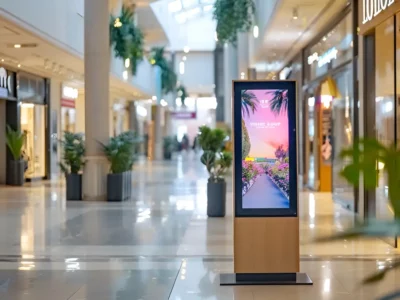
Explore the transformative impact of interactive smartboards in classrooms, enhancing engagement and learning outcomes like never before.
Revolutionizing Education: The Interactive Smartboard Experience
In the dynamic landscape of modern education, technological advancements continue to play a pivotal role in shaping the way students learn and teachers educate. One such innovation that has gained considerable attention and acclaim is the interactive smartboard. More than just a digital replacement for traditional chalkboards, interactive smartboards are redefining classroom dynamics through their versatility, interactivity, and ability to engage students in ways previously unimaginable.

Understanding Interactive Smartboards
An interactive smartboard is a sophisticated technological tool that combines the functionality of a traditional whiteboard with the power of digital interactivity. Typically mounted on classroom walls or placed on stands, these boards display digital content from connected devices such as computers, tablets, or smartphones. What sets them apart is their touch-sensitive surface, enabling users to interact directly with the displayed content using their fingers or styluses.
Enhancing Classroom Engagement
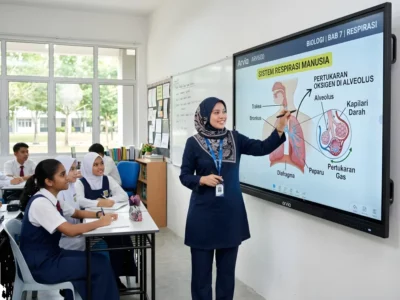
The most significant advantage of interactive smartboards lies in their ability to enhance classroom engagement. Unlike static presentations or traditional teaching methods, these boards encourage active participation from students. Through touch, gestures, and interactive exercises, students can manipulate digital content, solve problems collaboratively, and explore concepts in a hands-on manner. This interactivity not only caters to diverse learning styles but also fosters a deeper understanding of complex topics by making learning experiential and immersive.
Facilitating Collaborative Learning
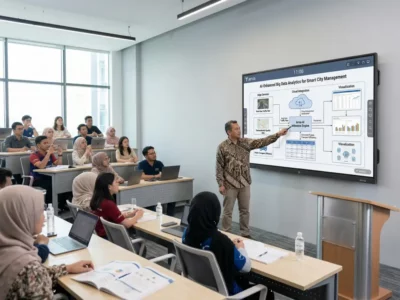
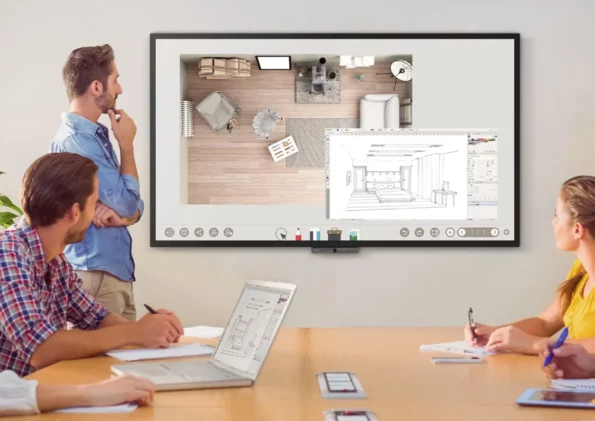
Collaboration is another key benefit offered by interactive smartboards. By enabling multiple users to interact simultaneously on the same surface, these boards promote teamwork and peer-to-peer learning. Whether students are brainstorming ideas, solving puzzles together, or presenting their findings, the smartboard acts as a catalyst for cooperative learning activities. This collaborative environment not only builds essential social and communication skills but also prepares students for the collaborative demands of the modern workplace.
Personalizing Learning Experiences
One of the most compelling aspects of interactive smartboards is their capacity to personalize learning experiences. Teachers can tailor lessons to accommodate different learning paces and preferences by integrating multimedia elements, interactive quizzes, and real-time assessments. This adaptability ensures that every student receives a customized educational experience, thereby maximizing their potential and academic growth.
Bridging the Digital Divide
In an increasingly digital world, access to technology can either broaden or restrict educational opportunities. Interactive smartboards play a crucial role in bridging the digital divide by providing students and educators with access to cutting-edge educational tools. By familiarizing students with digital interfaces and collaborative technologies from an early age, smartboards empower them to navigate and thrive in a technology-driven society.

Overcoming Challenges
While the benefits of interactive smartboards are substantial, their integration into classrooms is not without challenges. Issues such as initial costs, technical maintenance, and the need for teacher training can pose barriers to widespread adoption. However, as technology evolves and becomes more accessible, these challenges are gradually being addressed, making interactive smartboards a viable investment for schools committed to enhancing educational outcomes.
Looking Ahead: The Future of Smartboard Technology
As we look to the future, the evolution of smartboard technology promises even more exciting possibilities. Advancements in artificial intelligence, augmented reality, and data analytics are poised to further revolutionize how interactive smartboards are utilized in education. Imagine classrooms where AI-powered tutors assist students individually, or where AR simulations bring historical events to life on the smartboard’s surface. The potential for innovation is limitless, offering educators unprecedented tools to inspire and educate the next generation.
Conclusion
In conclusion, interactive smartboards represent a transformative leap forward in educational technology. By fostering engagement, facilitating collaboration, personalizing learning experiences, and bridging digital divides, these boards are reshaping the educational landscape for the better. While challenges exist, the ongoing development and integration of smartboard technology promise to enrich classrooms and empower educators in new and exciting ways. As we embrace these innovations, we move closer to realizing a more interactive, inclusive, and effective educational environment for all.
Interactive smartboards are not just tools; they are gateways to a future where learning knows no bounds.